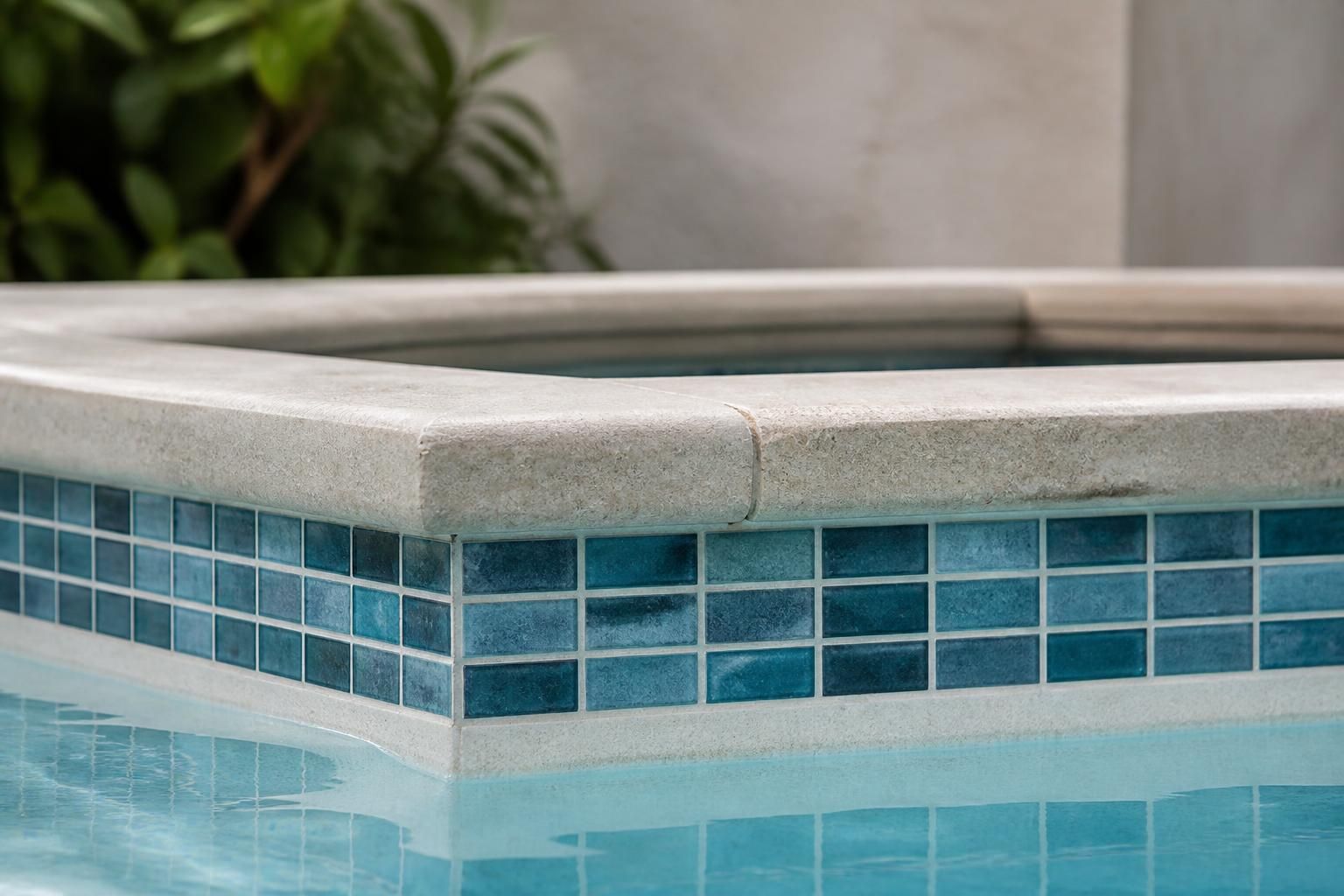
Pool Repair
Stop small pool problems from turning into bigger repairs with prompt, careful service.
Stop small pool problems from turning into bigger repairs with prompt, careful service.
A pump that will not start, a filter that keeps clogging, or a leak that leaves the waterline dropping can turn a quiet weekend into a hassle fast. If your pool is making new noises, losing performance, or leaving debris behind, it is time to have it looked at before the damage spreads.
Bramble Home Services handles pool repair for homeowners across Tampa, FL with clear written quotes, on-time visits, and tidy work areas. We look at the symptom first, then trace the cause so you know what needs attention and what can wait.
Many pool problems begin with small changes that are easy to overlook. A minor sound, a slow leak, or weaker circulation can point to a part that is wearing out or a system that needs adjustment. The sooner these signs are addressed, the less likely they are to spread to other equipment.
If you notice more than one of these at once, the problem may be connected. A pump that works harder than it should can strain the filter, and a worn seal can create trouble that seems unrelated at first.
Pool repair can cover many parts of the system, from moving water to keeping the pool clean and balanced by circulation. Bramble Home Services handles a wide range of repair needs for Tampa homeowners who want a direct answer and a clear next step.
When a pump struggles, will not prime, or makes a sound that was not there before, the system may not be moving enough water. We look at the pump, motor, seals, and nearby connections to find the source of the trouble.
A filter that clogs quickly or leaves too much debris behind can make the whole pool harder to care for. We inspect the filter setup and circulation path to find what is restricting performance.
Water loss can come from more than one place. Some leaks are visible, while others show up as a slow drop in water level or damp spots around equipment. We trace likely sources and recommend the repair that fits the problem.
Pool equipment wears over time, especially parts that run often. We repair or replace worn components tied to normal pool operation, then check that the rest of the system is still working as it should.
Homeowners want more than a quick guess. They want to know what is wrong, what the repair involves, and what happens next. Our process is built to make that easy to follow.
This approach helps avoid guesswork. It also gives you a clear picture of what changed, which matters when a pool has been acting up for more than one reason.
A leak does not always announce itself with a wet spot. Some leaks show up as a steady decline in water level, a pump that seems to lose prime, or a system that needs more attention than usual. Other times, the clue is around the equipment pad, where a seal or connection has started to fail.
When leak symptoms appear, it helps to pay attention to patterns:
Not every drop in water level means the same thing, which is why it helps to have the pool checked before the issue becomes harder to trace.
Some repair visits uncover parts that have worn too far to keep up with normal use. When that happens, we can handle equipment installation tied to the repair need, so the system is not left half fixed.
That may include replacing a pump component, updating worn equipment, or installing a new part that supports better circulation and easier upkeep. The goal is not to swap parts without reason. The goal is to restore the pool with the right fix for the condition we find.
Before any replacement work moves forward, we explain the issue clearly and let you know what the new part is expected to do for the pool. That way, the next step makes sense instead of feeling like a guess.
Repair work often goes hand in hand with the condition of the pool water. If a pool has been struggling with circulation or equipment trouble, debris and cloudiness can build up while the system is under strain. Weekly pool cleaning can help keep the pool easier to monitor, while repair work addresses the source of the disruption.
For homes that have been dealing with a green pool or recurring cleanup problems, the repair step matters because the system may not be moving water the way it should. Once the equipment issue is handled, cleaning can be more effective and less frustrating.
We also help homeowners who want the pool checked before a sale, after a long season of limited use, or after noticing that the water has changed in appearance or movement. A repair visit can reveal whether the issue is isolated or tied to a larger system concern.
Bramble Home Services serves Tampa, FL and nearby areas such as Brandon, Riverview, Clearwater, Wesley Chapel, and Lutz. If you have been putting off a repair because the problem seems small, it is often easier to solve while it is still limited to one part of the pool system.
We work with homeowners who want clear communication, neat job sites, and written quotes they can review without pressure. If your pool has started making new sounds, losing water, or leaving you with more cleanup than usual, we can take a close look and help you move forward with the right repair.
To get started, contact Bramble Home Services by phone at +18135550174 or email hello@bramblepoolcare.example.
Start with the most obvious change, such as noise, low water level, weak circulation, cloudiness, or a part that will not start. Small details help us narrow down the cause faster.
Yes. Even a small leak can create strain on the system, change circulation patterns, or lead to repeated water loss that makes the pool harder to maintain.
Intermittent problems can still point to a real repair need. A part may be failing under certain conditions, or a connection may be loosening over time.
Yes. Weak circulation often goes hand in hand with pump, filter, or equipment trouble, and those are all worth checking when the pool is not moving water the way it should.
That depends on the symptom. If the pool is safe to use, you can usually keep an eye on it, but it helps to avoid extra strain on equipment that is already struggling.
Photos, a short description of what changed, and when the issue started can all help. The more specific the symptom, the easier it is to focus the inspection.

Share a few details about your pool, and we will follow up with the next best step.