Leak Detection
Find hidden pool leaks early and protect your water level, equipment, and peace of mind.
Find hidden pool leaks early and protect your water level, equipment, and peace of mind.
If your pool water keeps dropping, your skimmer is sucking air, or the deck stays damp longer than it should, a hidden leak may be the reason. Small leaks can waste water, strain equipment, and turn a simple issue into a larger repair if they go unchecked.
Bramble Home Services helps homeowners in Tampa, FL track down pool leaks with a careful, step-by-step process that looks at water loss, visible symptoms, and likely leak points. We provide clear written quotes, show up on time, and leave the work area tidy so you know what was found and what comes next.
Some pool leaks are obvious. Others only show up as little changes that are easy to miss at first. If you notice any of the signs below, it is worth scheduling a leak inspection before the problem spreads.
Some of these symptoms can come from a leak, and some can point to circulation trouble, worn fittings, or a seal that no longer holds. The goal is not to guess. It is to narrow the source and stop the waste before more parts are affected.
Leak detection works best when the search follows the evidence. We start with what you are seeing, then move through the pool system in a logical order so there is less guesswork and fewer unnecessary changes.
You tell us what changed, when the water loss started, and whether you have noticed bubbles, puddles, or a drop in circulation. Those details help shape the inspection.
We look at the pool shell, fittings, skimmer area, returns, pump connections, and other visible points where leaks often show up first.
From there, we focus on the spots most likely to let water escape, including seals, joints, and areas that show movement or wear.
After the inspection, we share the results clearly so you understand whether the issue is likely from a leak, a fitting problem, or another source that needs attention.
This process helps keep the visit focused and practical. You get answers that make sense, not a long list of loose observations.
Pool leaks do not always come from the same place twice. Some are visible and some sit out of sight until the symptoms become hard to ignore. Knowing the common hiding spots can help you spot trouble sooner.
Cracks, separated seams, or worn surface areas can allow water to escape slowly. These may not look dramatic, but even a small opening can lead to steady water loss over time.
Returns, skimmers, lights, and other fittings all rely on tight connections. If a seal weakens, water can move behind the surface where it is harder to see.
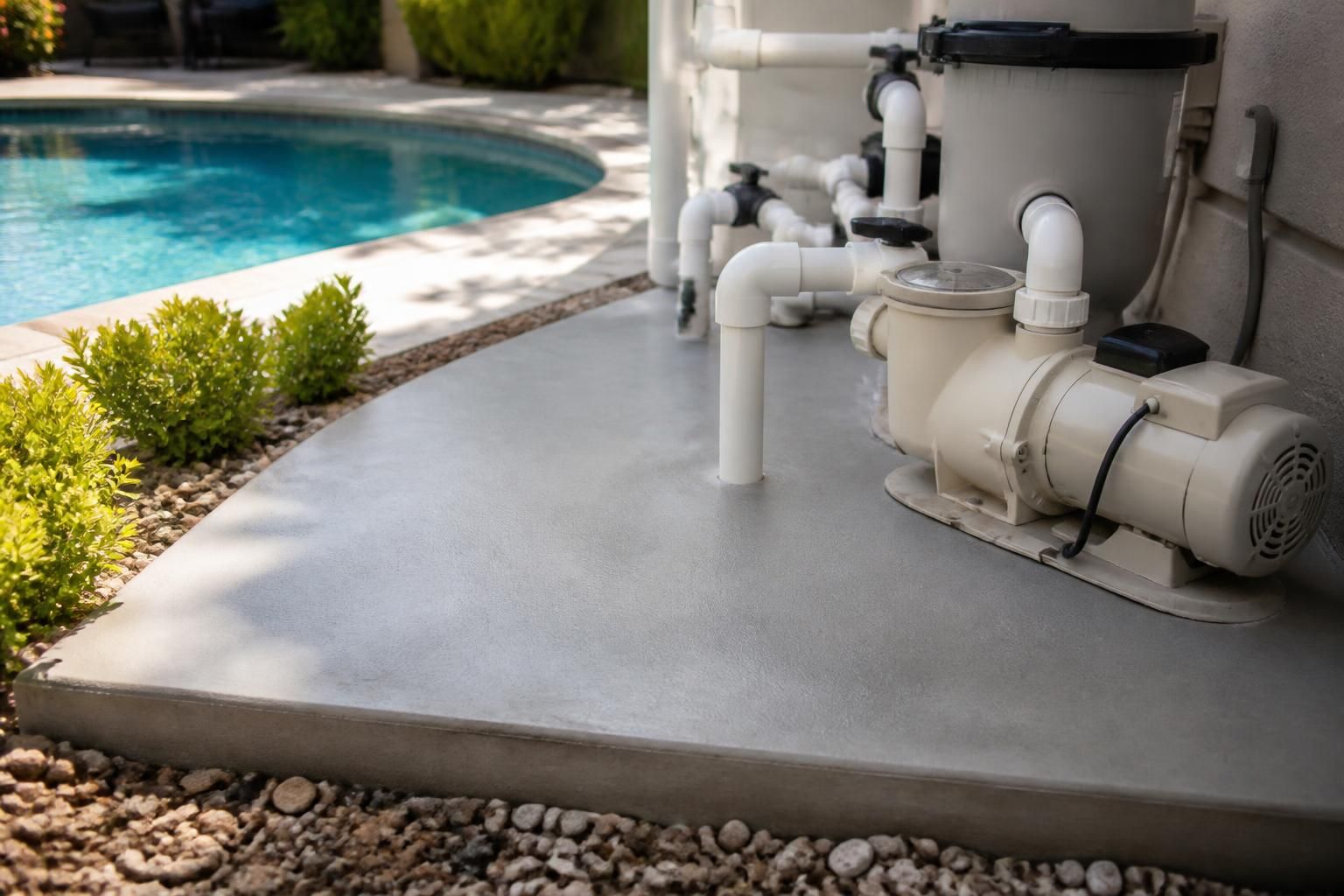
Pump connections, valves, and nearby plumbing can also be part of the problem. A leak near equipment may show up as moisture around the base, dripping, or air getting into the system.
At Bramble Home Services, we pay close attention to the signs each area gives off. That helps separate a true water loss issue from a circulation concern or a worn component that is no longer holding.
Leak problems often begin with an inconvenience and then become a routine headache. You may find yourself topping off the pool more often, checking the pump more often, or wondering whether a low water line is just from use. The following patterns are worth paying attention to.
These clues do not always point to the same cause, which is why a proper inspection matters. A leak can waste water quietly for a long time before it becomes obvious, and by then it may have affected more than one part of the system.
When you schedule leak detection with Bramble Home Services, the visit is organized around clarity and efficiency. We want you to understand what we checked, what we ruled out, and what still needs attention.
We begin by discussing the changes you have seen, including how quickly the water level has dropped and whether anything seems different around the pool or equipment.
We examine the pool’s visible components and look for signs that point toward the source of the leak.
We focus on the parts most likely to show the issue so the search stays practical and efficient.
Once the inspection is complete, we explain the findings and talk through the most sensible path forward.
This approach helps Tampa homeowners make informed decisions without confusion. If you only need a clear answer, that is what we aim to provide.
Even a small leak can create a chain of problems. A pool that loses water too quickly may pull air into the system, strain the pump, and make routine care harder than it should be. If the leak is near the shell or deck, moisture may also create conditions that are uncomfortable to ignore.
Finding the source early can save time and reduce the chance of extra wear on the system. It also helps you avoid repeated refills when the real problem has not yet been addressed. For many homeowners, the biggest benefit is simple: knowing where the water is going and what needs to happen next.
Homeowners across Tampa, FL call us when the pool water level keeps changing for no clear reason. Some notice a steady drop after a routine cleaning visit. Others notice air in the lines or a damp spot that keeps returning near the pool area. No matter how the issue starts, the key is to look at the signs before the problem gets harder to sort out.
Bramble Home Services serves Tampa and nearby areas including Brandon, Riverview, Clearwater, Wesley Chapel, and Lutz. If your pool has been acting differently and you want a clear answer, we can help track down the source and keep the next step straightforward.
A slight drop can happen naturally, but faster or repeated water loss often comes with other signs such as air in the system, wet ground nearby, or a pump that seems to struggle after refilling. Those clues help separate normal loss from a leak.
Yes. Many leaks start at fittings, seals, or hidden connections where the surface still looks intact. That is why an inspection needs to look beyond what is easy to see.
Leaks near the equipment pad can affect the pump, valves, and surrounding connections. We inspect those areas carefully and look for signs that point to the source rather than just the symptom.
No. Some leaks leave no puddles at all. Water may go into soil, under decking, or into other areas where it is not obvious right away.
It helps to know when you first noticed the water loss, how often you have had to refill the pool, and whether you have seen bubbles, damp spots, or changes near the equipment.
We explain the findings clearly so you understand what was discovered and what the next step should be. That may involve addressing a fitting, seal, or another identified trouble point.
If your pool is losing water and you want a clear diagnosis, Bramble Home Services is ready to help with leak detection in Tampa, FL. Reach out by phone at +18135550174 or email hello@bramblepoolcare.example to schedule a visit during our weekday or Saturday hours.

Share a few details about your pool, and we will follow up with the next best step.